


Artificial intelligence is incorporated into the classification of stars, quasars and galaxies through the J-PLUS project
2024-12-04
The J-PLUS project helps to understand key properties of metal-polluted white dwarf stars.
2024-12-02
El Observatorio Astrofísico de Javalambre renews its status as ICTS
2018-11-20
The OAJ is already part of the first Starlight Reserve of Aragón
2017-01-18
The aluminizing vacuum chamber arrives at the OAJ
2016-05-19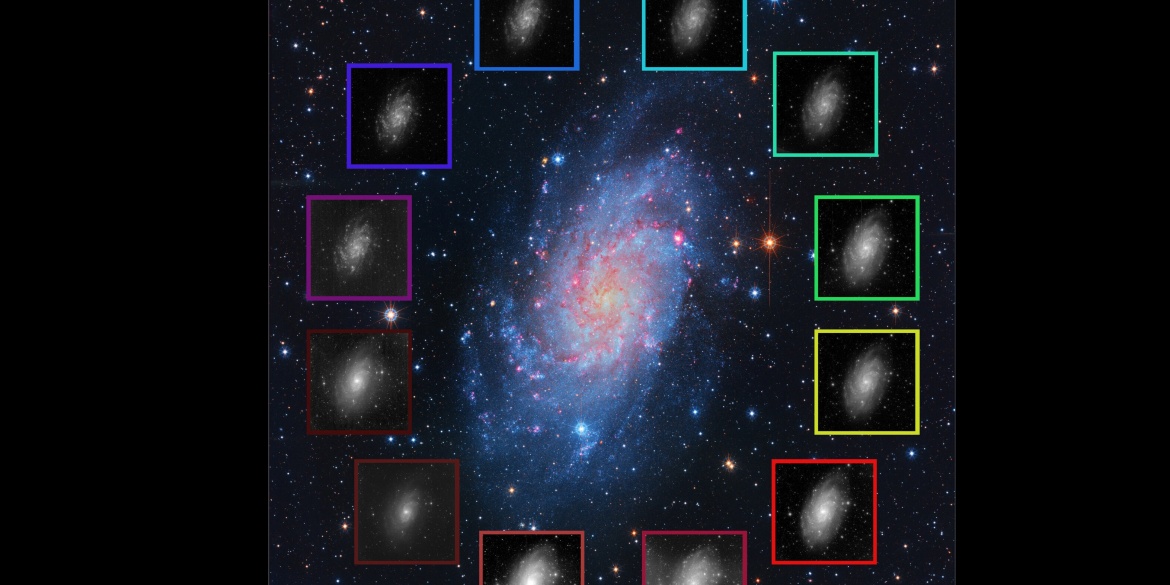
An algorithm developed by researcher Andrés del Pino now applies Bayesian neural networks to data from the J-PLUS project. The aim is to robustly classify the astronomical objects detected by the survey and thus differentiate stars, quasars and galaxies. The research has been published in Astronomy and Astrophysics.
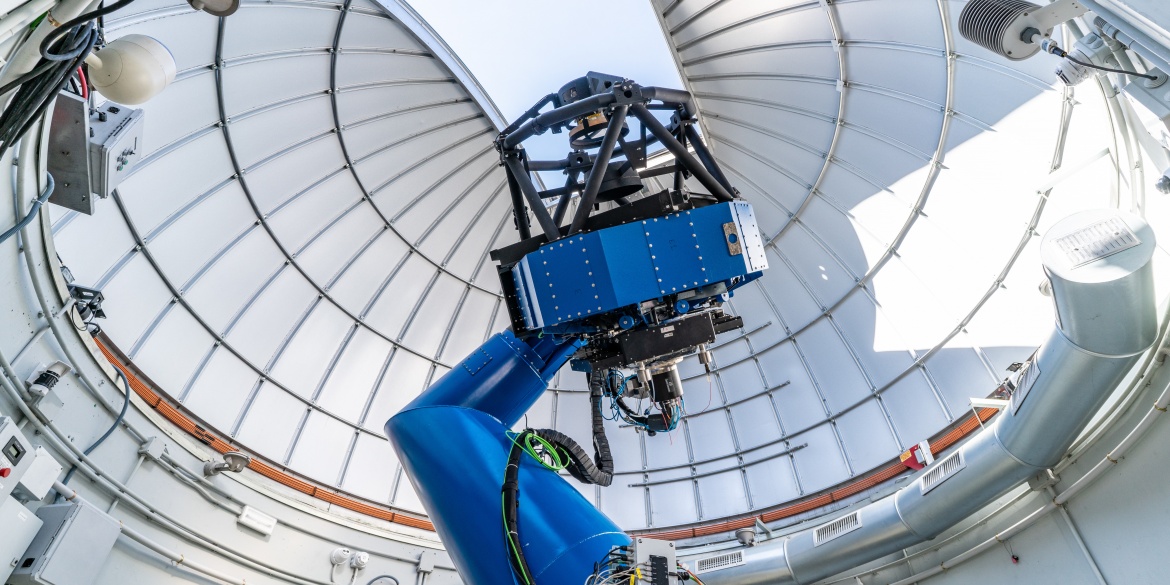
An article, led by CEFCA researcher Carlos López San Juan, focuses on those that are used for exoplanetary geology: white dwarfs with metals from the accretion of material from their planetary system. The research raises the contribution of the J-PLUS survey, developed from the Observatorio Astrofísico de Javalambre (OAJ), which now allows us to determine how the detection of these stars varies as they cool. The work has been published in Astronomy and Astrophysics.
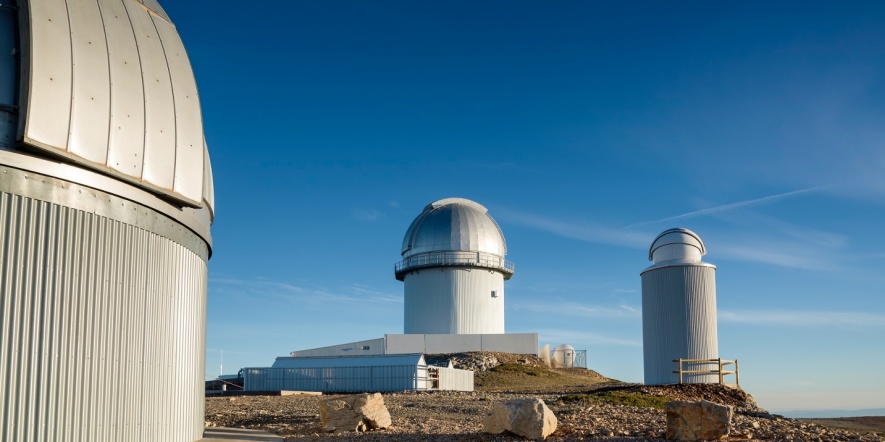
El Ministerio de Ciencia, Innovación y Universidades has renewed the status of unique scientific and technical infrastructure (ICTS) of the Observatorio Astrofísico de Javalambre.
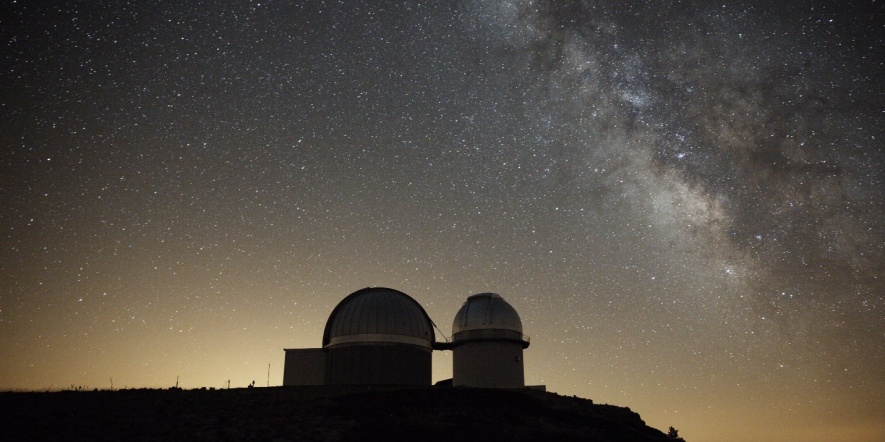
The certification process of the "Territorio Gúdar Javalambre" as Starlight Destination and Reserve has just successfully finished.
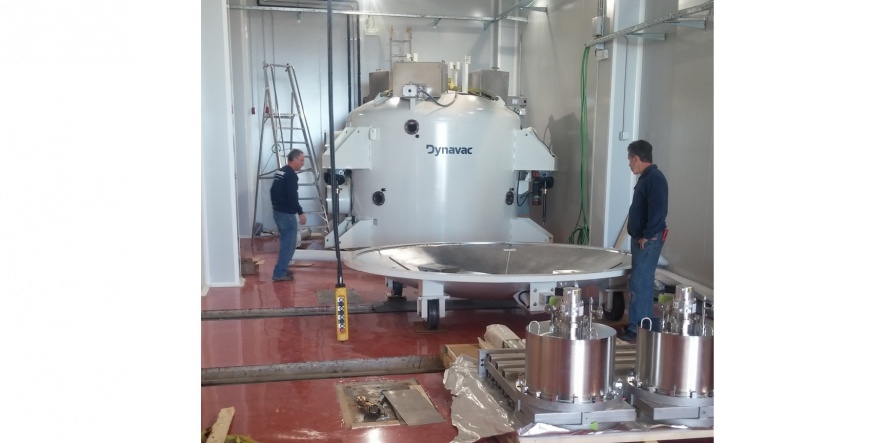
The aluminizing vacuum chamber and the cleaning unit for the maintenance of JST250 and JAST80 telescope's mirrors arrived yesterday at the Observatorio Astrofísico de Javalambre (OAJ). The chamber has been designed by CEFCA and Vacuum Technology Associates Inc, DYNAVAC (Boston, United States), responsible for its manufacture.
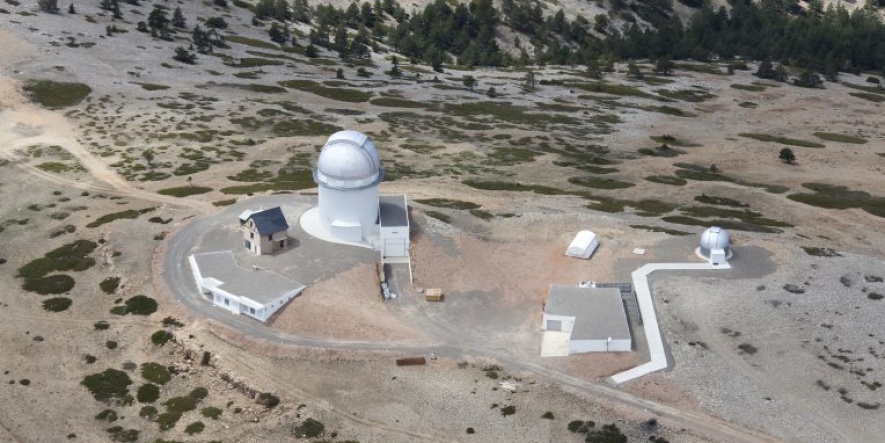
With the declaration of the OAJ (CEFCA's observatory) as ICTS, the center has received a recognition for its scientific, tecnological and innovative competitiveness and quality in the Spanish R&D system.
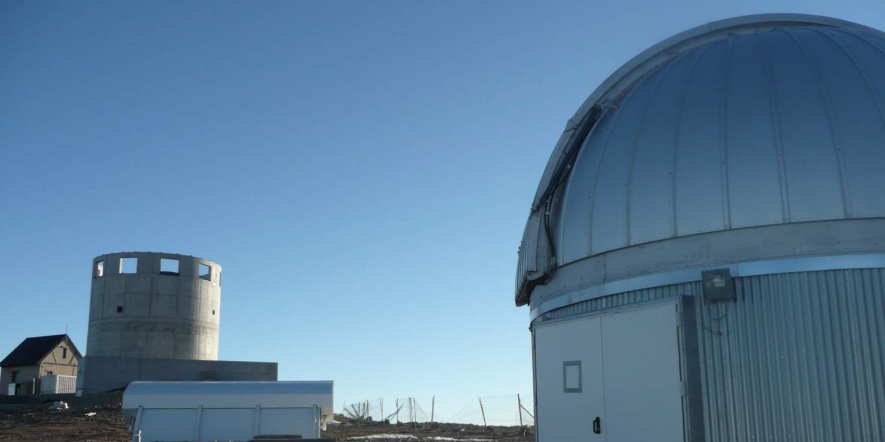
The Centro de Estudios de Física del Cosmos de Aragón (CEFCA) will receive 6.5 million euros from Fondo de Inversiones de Teruel (FITE). This fund was signed by the Gobierno de Aragón and Gobierno de España on November 30, 2012.
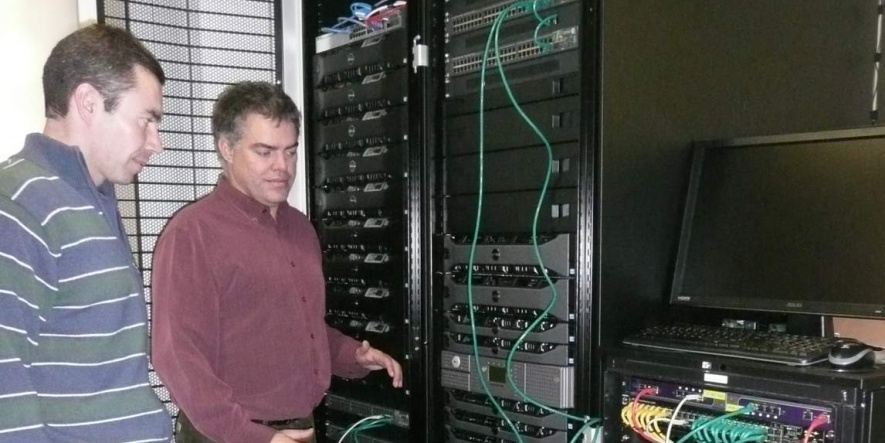
The Centro de Estudios de Física del Cosmos de Aragón (CEFCA) has installed the computer equipment for the robotic control of the Observatorio Astrofísico de Javalambre (OAJ) and the storage and processing of the first data that will be provided by the telescopes of the OAJ.