


Artificial intelligence is incorporated into the classification of stars, quasars and galaxies through the J-PLUS project
2024-12-04
The J-PLUS project helps to understand key properties of metal-polluted white dwarf stars.
2024-12-02
T80Cam integrated at the JAST80
2015-01-27
JAST80 Telescope arrives to the Observatorio Astrofísico de Javalambre
2012-05-12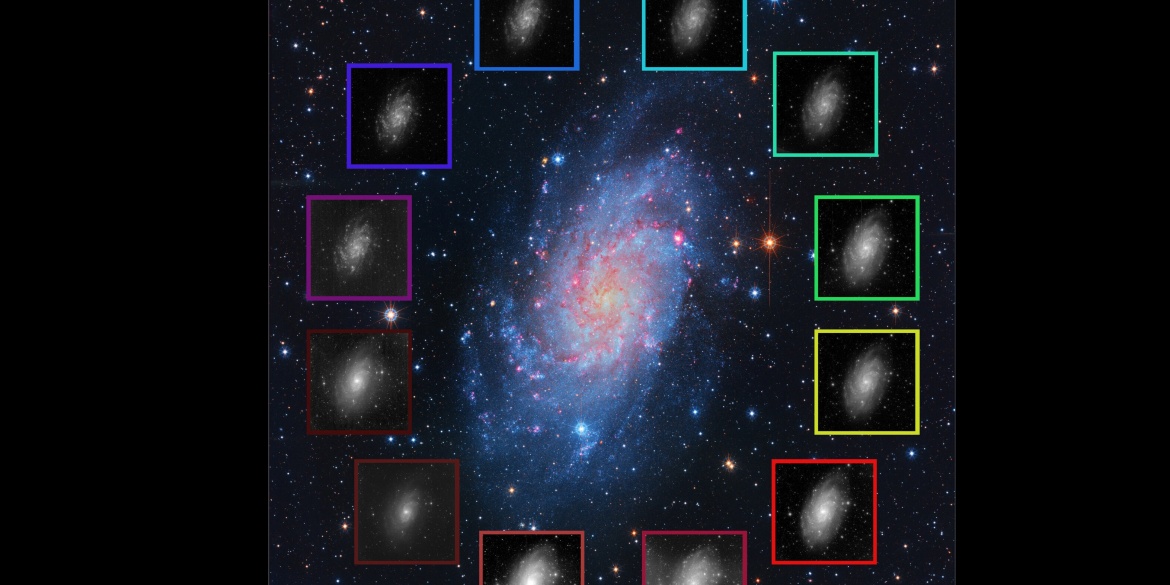
An algorithm developed by researcher Andrés del Pino now applies Bayesian neural networks to data from the J-PLUS project. The aim is to robustly classify the astronomical objects detected by the survey and thus differentiate stars, quasars and galaxies. The research has been published in Astronomy and Astrophysics.
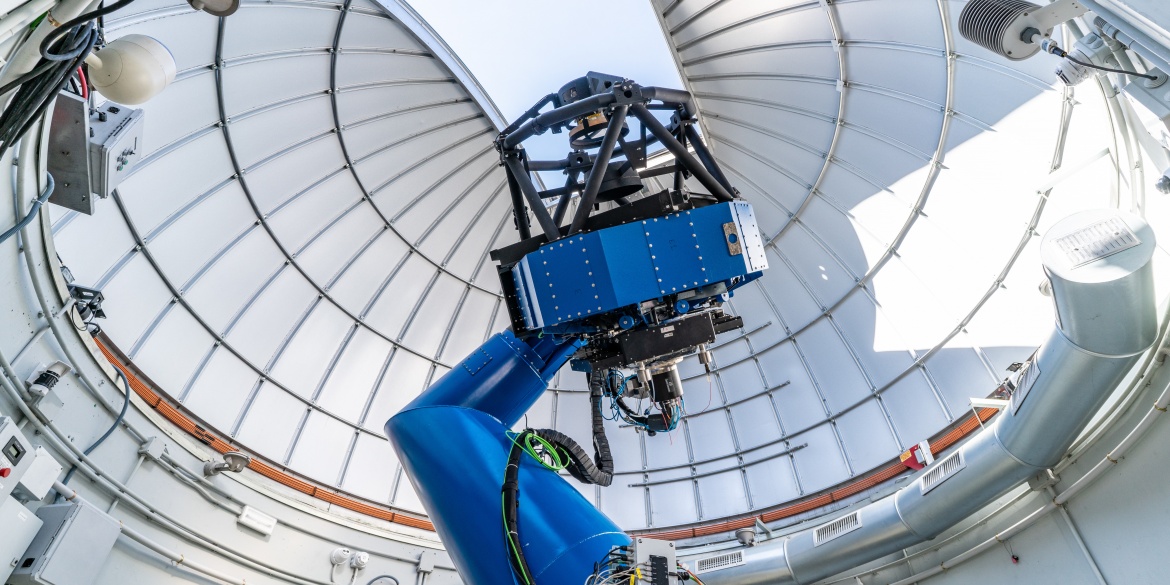
An article, led by CEFCA researcher Carlos López San Juan, focuses on those that are used for exoplanetary geology: white dwarfs with metals from the accretion of material from their planetary system. The research raises the contribution of the J-PLUS survey, developed from the Observatorio Astrofísico de Javalambre (OAJ), which now allows us to determine how the detection of these stars varies as they cool. The work has been published in Astronomy and Astrophysics.
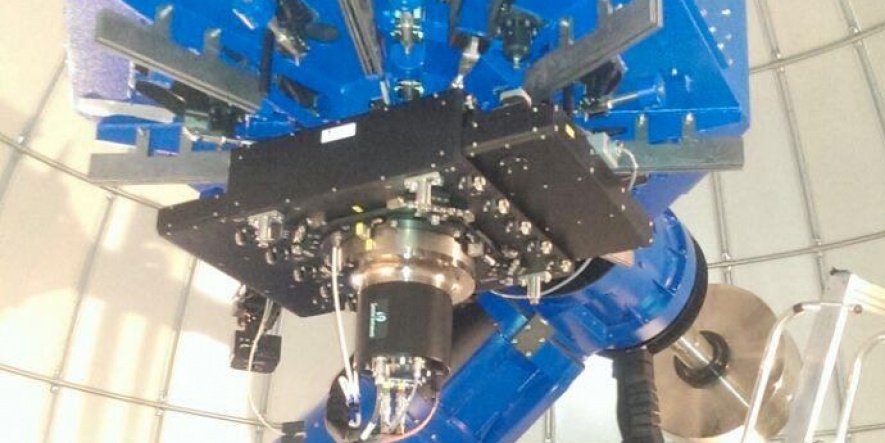
The scientific instrument for the JAST80 telescope, T80Cam, has been successfully installed at the Cassegrain focus of the JAST80 telescope of the Observatorio Astrofísico de Javalambre (CEFCA).
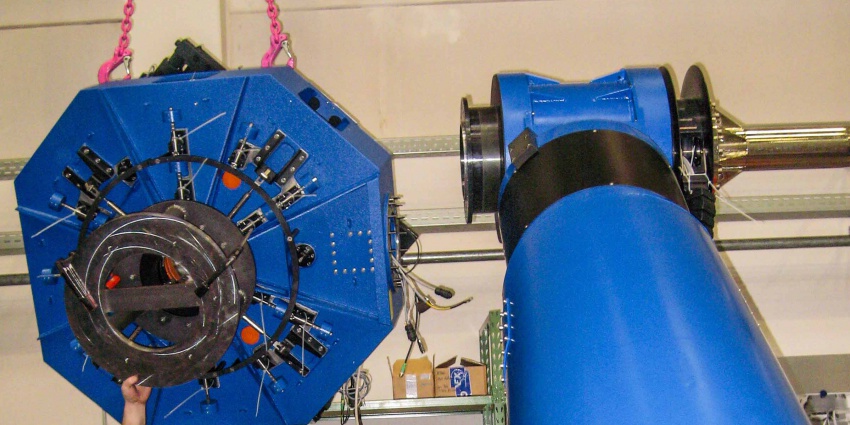
The arrival of the telescope to the Pico del Buitre involves starting the night activities of the Observatorio Astrofísico de Javalambre (CEFCA's observatory). This is one of the most important milestones of the project.
Last February, the factory integration phase of the JAST80 telescope of the Observatorio Astrofísico de Javalambre (CEFCA) was completed. The telescope is assembled at Bamberg (Germany) where it is currently being tested with dummy optics. Preliminary tests show that the telescope can move with a velocity of up to 40 degrees per second, which makes T80 one of the worldwide fastest telescopes.
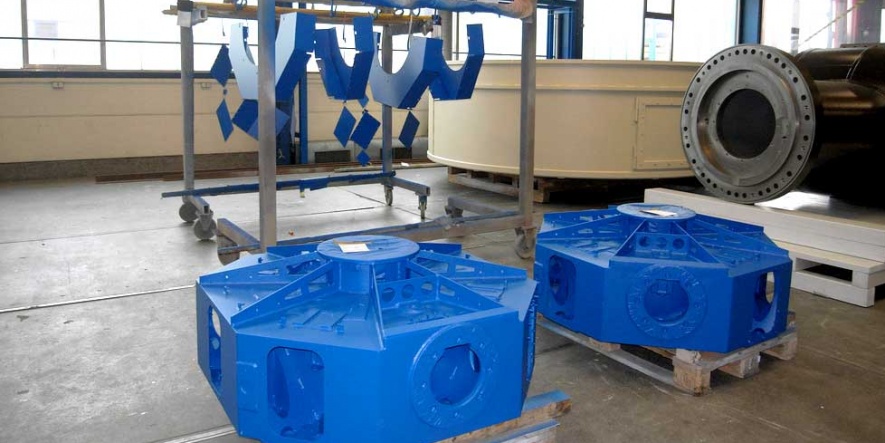
The brazilian partners of the Javalambre Physics of the Accelerated Universe Astrophysical Survey (J-PAS) collaboration, will put an identical replica of the OAJ JAST80 telescope of the Observatorio Astrofísico de Javalambre (CEFCA's observatory) in the Cerro Tololo Inter-American Observatory (CTIO), in Chile.
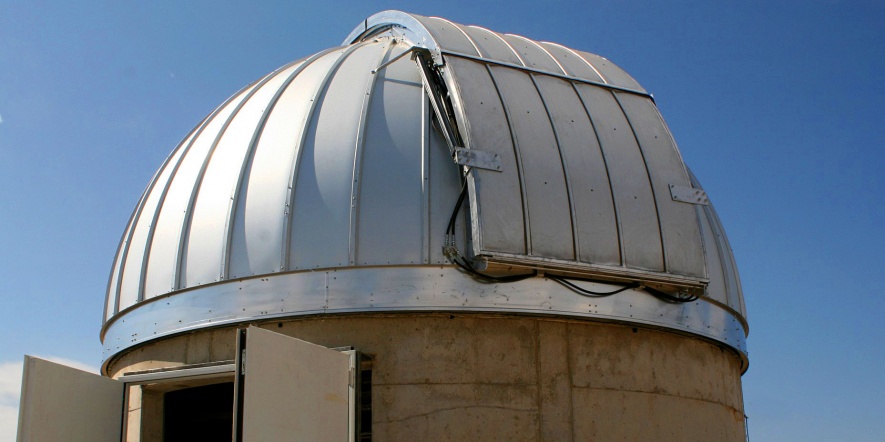
On September 16th 2011, the dome of the JAST80 telescope arrived at the Observatorio Astrofísico de Javalambre (CEFCA's observatory). The dome, the final design of which was approved last January, has been manufactured by Ash-Dome (Illinois, USA) in galvanized steel and holds winds up to 250 Km/h.